What matters when buying Canon Slr
Understanding Camera Types
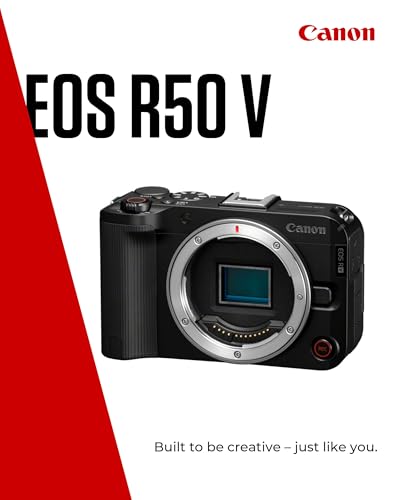
When selecting a Canon SLR or mirrorless camera, it is essential to understand the differences between these types. SLR cameras, such as the Canon EOS 2000D, use a mechanical mirror system to reflect light into an optical viewfinder. This can provide a more traditional photography experience. In contrast, mirrorless cameras, like the Canon EOS R series, do not have a mirror mechanism, allowing for a more compact design and often faster shooting speeds. Consider the intended use; mirrorless models may be more suitable for dynamic shooting conditions, whereas SLRs can offer a familiar interface for those accustomed to traditional photography.
Sensor Size and Resolution
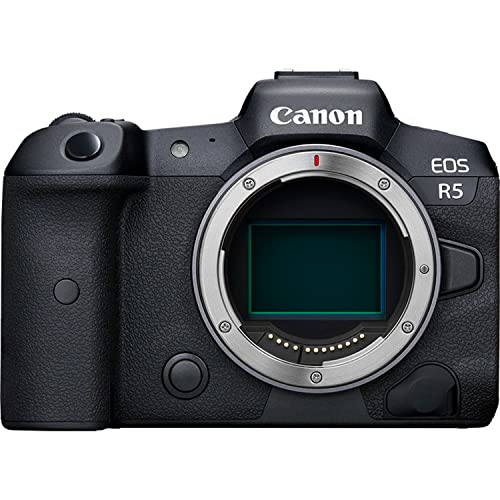
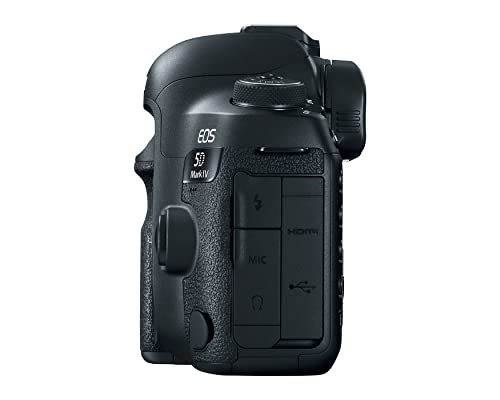
The size of the camera sensor plays a significant role in image quality. Full-frame sensors, found in models such as the Canon EOS R5 and 5D Mark IV, capture more light and generally produce better performance in low-light conditions compared to APS-C sensors, which are smaller and featured in models like the EOS 90D and EOS R10. Additionally, resolution is an important factor; higher megapixels can provide more detail, beneficial for large prints or cropping images. However, it is vital to balance resolution with the intended use, as higher megapixels also require more storage space and processing power.
Autofocus and Shooting Speed
Autofocus capability is crucial, especially for action photography or when capturing fast-moving subjects. Canon’s Dual Pixel CMOS AF technology enhances focusing speed and accuracy, which is featured in several models across the range. Consider the number of autofocus points available; cameras with more points allow for better tracking of subjects. Shooting speed, measured in frames per second (fps), is also an important aspect for action shots. Models like the EOS R6 II offer high fps rates, making them suitable for sports and wildlife photography.
Video Capabilities
Video performance is increasingly important in modern cameras. Many Canon models now offer 4K video recording, with some, like the EOS R5, providing even higher resolutions, such as 8K. When choosing a camera for video, consider additional features such as stabilisation, frame rates, and connectivity options for external microphones and HDMI output. These features can significantly enhance the filming experience, particularly for content creators. Ensure the camera’s video capabilities align with specific requirements, whether for professional use or casual recordings.
Footnotes
* Terms such as "best" and similar expressions reflect our personal assessment.
** Prices and availability may have changed since they were last retrieved. The price shown by the seller at the time of purchase applies.
Further important information
We may receive a commission if you make a purchase via the links on our site. This has no impact on the placement of the products on our site. Our website is part of amazon associates program - Amazon, Amazon Prime, the Amazon Logo and Amazon Prime Logo are registered trademarks of Amazon, Inc. or its affiliates. Disclaimer: